
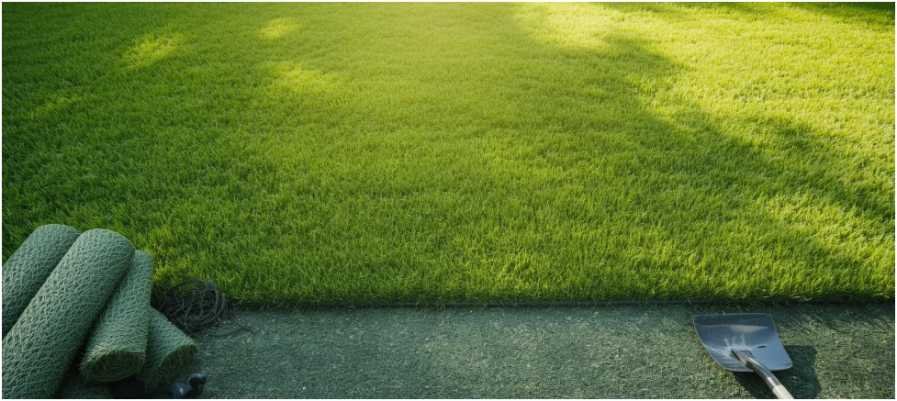
I still laugh when I think about the first time I tried to lay sod by myself. I rolled out the pieces like a giant green carpet, felt ridiculously proud, and then watched them shrink, curl, and dry out within a week.
That failure taught me one powerful lesson: how to lay sod takes technique, timing, and a lot more prep than most people expect. Now I treat it like a life routine — steady, methodical, and surprisingly satisfying — and I’m sharing every step I use so you can skip the mistakes.
Why Does Preparation Matter So Much When Learning How to Lay Sod?
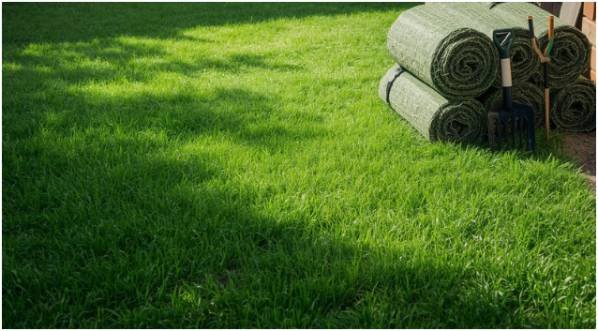
Whenever I prepare a yard for new sod, I treat it like prepping a canvas. If the base isn’t right, the final look never works. I start by clearing everything: old turf, weeds, rocks, that random debris that somehow always appears. A sod cutter becomes my best friend here because it slices through old grass cleanly and removes that top inch of soil.
Once the space looks bare, I focus on leveling the ground. I rake it, smooth it, and slope it gently away from the house behind me. This prevents water from pooling and keeps the new lawn balanced. I always keep the finished soil surface about an inch below sidewalks and patios so the sod sits perfectly flush and doesn’t bulge upward.
Before I even think about installing anything green, I test the soil. The sweet spot sits between pH 6.0 and 7.0. If I need to adjust, I add compost or topsoil to improve texture and nutrient retention. Then I till the soil to six or eight inches so roots can settle easily. The last step? I lightly compact the ground and water it until it feels damp — not muddy, not dry. This creates the perfect foundation.
When Should You Actually Lay Sod for the Best Results?
I learned quickly that timing matters more than enthusiasm. Sod loves cool, stable temperatures, so I usually work in early spring or early to mid-autumn. The grass stays hydrated longer, and the roots attach faster. During hot summers, sod dries out almost instantly, and I turn into a full-time sprinkler attendant.
I also make sure to work with fresh sod. Ideally, sod goes onto the ground within 24 hours of delivery. Fresh sod feels cool, moist, and flexible. Older sod starts to look dull and separate at the seams, and once roots dry out, revival becomes a struggle. If I’m expecting a hot or windy day, I cover the delivered sod with a tarp to protect it from direct sun while I prep.
Working early in the morning or on overcast days also helps. The sod settles more gently, the soil holds moisture, and I don’t bake under the afternoon sun. Trust me — setting yourself up with cooler conditions makes everything easier.
How Do You Install Sod Without Creating Gaps, Lumps, or Runoff?

Once the ground sits fully prepped, I begin along the straightest edge available — usually a driveway or walkway. Laying that first strip perfectly sets the tone for the rest of the yard. I press it firmly so it touches the soil the whole way through.
Then I treat sod like bricks. I stagger the seams row by row — no long lines, no matching joints. This keeps the lawn from shifting, reduces runoff, and makes the final result look seamless. As I go, I push edges tightly together. I never overlap sod because that creates ridges and gaps later.
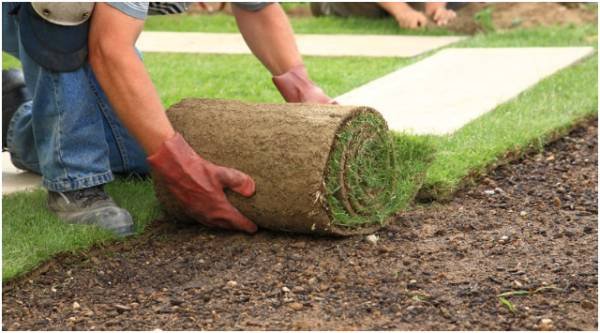
One rule I follow religiously: I never walk on fresh sod. I stand on bare soil alongside it, or I use a wooden board to distribute weight. It prevents sinking and shifting.
When I reach curves, sprinkler heads, or borders, I trim the sod using a sharp knife like I’m crafting a puzzle piece. Those small details make the lawn look polished from day one.
After all the sod is down, I pull out a lawn roller. This step eliminates air pockets and helps the roots make strong contact with the soil below. It’s one of the most satisfying parts because it instantly transforms the yard into a smooth, unified surface.
How Should You Care for the Lawn After Learning How to Lay Sod?
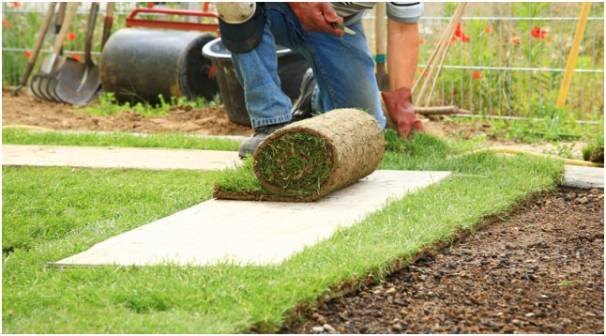
My aftercare routine feels just as important as installation. The moment the last strip goes down, I grab the hose and water thoroughly. I’m not just moistening the top — I aim to hydrate the top four inches of soil underneath the sod. That deep watering jumpstarts root growth.
For the next two to three weeks, I water daily. New sod loves consistent moisture, especially during early rooting. If the edges curl or the surface feels dry, I increase the frequency. The idea is to keep the soil beneath your sod evenly damp, never soggy.
I also stay off the lawn for at least two weeks. Heavy traffic delays root development, and footprints create uneven dips. When the grass reaches about three inches, I mow for the first time — but only when the sod resists a gentle tug. Sharp blades prevent tearing, which young grass absolutely hates.
Around the six- to eight-week mark, I begin light fertilization. A healthy feeding routine strengthens the lawn, thickens growth, and keeps the color vibrant long-term.
How-To: My Step-by-Step Routine for Laying Sod
Step 1: Clear the area completely. Remove all grass, weeds, and debris with a sod cutter.
Step 2: Till the soil six to eight inches deep and mix in compost for better texture.
Step 3: Level and grade the area so water drains away from buildings.
Step 4: Test the soil and adjust pH if needed. Add starter fertilizer.
Step 5: Lightly compact the soil and moisten it evenly.
Step 6: Lay the first row of sod along a straight edge with full soil contact.
Step 7: Install remaining sod in a staggered, brick-like pattern with tight seams.
Step 8: Trim edges neatly and avoid walking directly on new sod.
Step 9: Roll the entire lawn to eliminate air pockets and secure the root bond.
Step 10: Water immediately and continue daily watering for two to three weeks.
FAQs About How to Lay Sod
1. How long does new sod take to root?
Most sod begins rooting within 10 to 14 days, but full establishment can take four to six weeks. I check rooting by lifting a corner gently; if it resists, it’s anchoring well. Cooler seasons speed up the process, while heat slows it down and demands more water.
2. Do I need to fertilize before laying sod?
Yes, I always use a starter fertilizer during soil preparation. It boosts early root development and helps the sod adapt faster. I avoid heavy nitrogen fertilizers at first because they push leaf growth before the roots fully settle.
3. Can I lay sod over old grass?
Unfortunately, no. Fresh sod can’t root through existing grass, and the uneven base causes air pockets. Removing old turf completely gives you a clean, healthy foundation and eliminates future drainage issues.
4. How often should I water new sod?
Daily watering works best for the first two to three weeks. My goal is to keep the soil consistently moist but not swampy. Once the roots take hold, I gradually shift to deeper, less frequent watering to encourage strong root systems.
The Lawn-Glow Wrap-Up (Because Your Yard Deserves a Standing Ovation)
I always say that laying sod feels like giving your yard a makeover with instant gratification. When you follow solid prep work and treat those first few weeks like a gentle care routine, your lawn rewards you with dense, bright, healthy grass.
If you’re gearing up to makeover your outdoor space, trust your process, water consistently, and don’t rush the first mow. You’ll feel proud every time you step outside — just like I do.






Be First to Comment