
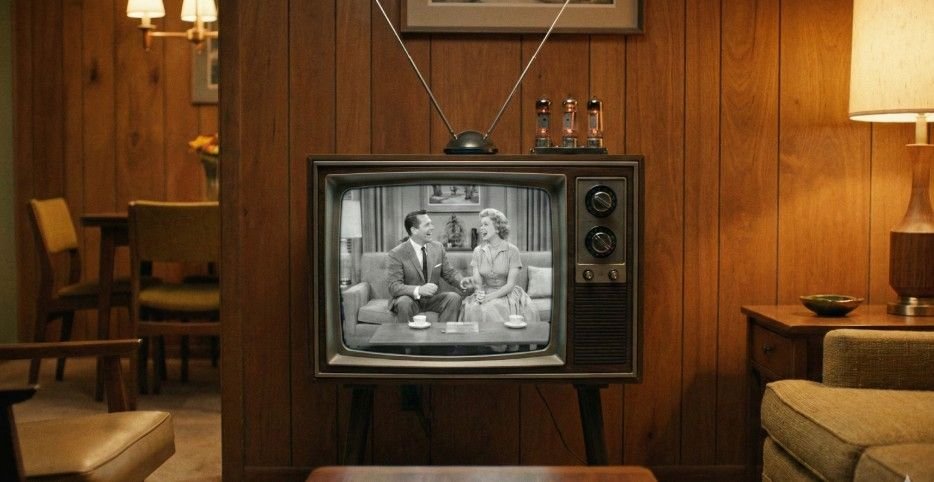
Anyone who loves vintage entertainment knows that exploring classic TV series background history is like stepping into a time capsule. Classic television did much more than entertain. It built the foundation for every genre, format, and narrative style we still use today. The shows that defined the Golden Age of Television continue to influence modern creators because they introduced visual storytelling, groundbreaking formats, and character driven writing that still feels timeless.
From early experimental broadcasts in the 1930s to the genre innovations of the 1950s and 60s, classic TV shaped the habits and expectations of viewers around the world. Understanding this history helps us appreciate why so many vintage shows remain relevant, beloved, and continually rediscovered across streaming platforms.
Golden Age Foundations
The Golden Age of Television, typically dated from 1948 to 1959, marked a transformational moment in entertainment. During this period, television shifted from novelty to necessity as millions of households purchased their first TVs. The move from radio to visual storytelling reshaped American culture and changed how stories were told.
Early Development
Television experiments began as early as the 1920s and 1930s. France led early European testing while the United States explored experimental drama broadcasts in the late 1920s. These early broadcasts were limited but important because they proved that visual programming could evolve into a mass medium.
Postwar Growth
After World War II, commercial television exploded. By 1947, full scale broadcasts were underway. Two key events accelerated TV ownership.
- The 1947 World Series became one of the earliest nationwide televised sporting events.
- The 1948 premiere of Texaco Star Theater, hosted by Milton Berle, turned television into an essential household purchase.
Berle became known as “Mr. Television” because his popularity helped drive the rapid expansion of TV across America.
Radio to Television Shift
Many beloved TV classics began as radio shows. Writers and producers adapted successful radio series into visual storytelling. This transition set the pattern for plot driven episodic storytelling that modern audiences still enjoy.
Two standout examples include:
- Gunsmoke, which transitioned from radio western to a record breaking TV series
- My Favorite Husband, which was reworked into I Love Lucy, one of the most influential sitcoms of all time
The Color Revolution
Color broadcasting symbolized technological progress in television history. Although the first national color broadcast occurred in 1954, it took more than a decade for color TV to become mainstream. Black and white programming dominated through the early 1960s until the United States achieved its first fully color prime time lineup in 1966.
This shift enhanced visual creativity, helped genres evolve, and improved audience engagement. Series like Star Trek leveraged color to create bold worlds and memorable imagery that defined early science fiction on television
Genre Breakthroughs
Classic TV introduced nearly every major genre still popular today. These innovations set the tone for how modern shows are structured.
Sitcoms
I Love Lucy (1951 to 1957) revolutionized situational comedy. It created the multi camera sitcom format, used a live studio audience, and relied on sharp comedic timing that influenced every sitcom that followed. Many of today’s most successful comedies still use the exact same technical setup.
Westerns
Gunsmoke (1955 to 1975) became one of the longest running scripted prime time series in American television. It defined the tone, pacing, and moral complexity of TV westerns. Its success inspired decades of frontier themed programming.
Sci Fi and Anthology
Two shows forever changed speculative fiction storytelling. Both series elevated sci fi from niche interest to cultural phenomenon.:
- The Twilight Zone (1959 to 1964) challenged viewers with moral questions and imaginative narratives.
- Star Trek (1966 to 1969) explored social themes through futuristic adventures and later became one of the most influential franchises in entertainment history.

Classic Shows That Redefined Television
Understanding Classic TV Series background history requires looking at the individual shows that still stand as creative landmarks.
I Love Lucy
A pioneering sitcom that shaped comedy, production standards, and character driven humor. Lucille Ball’s performances remain iconic and continue to inspire performers today.
The Twilight Zone
Rod Serling blended speculative fiction with real world commentary, using allegory and suspense to address social issues long before such storytelling was common.
MASH
A groundbreaking comedy drama hybrid that explored the emotional impact of war. Its finale remains one of the most watched broadcasts in American TV history.
The Simpsons
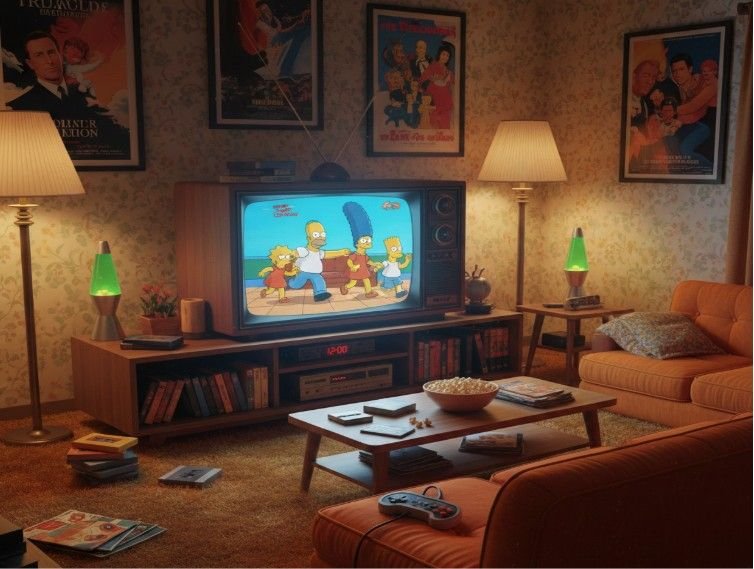
Although outside the Golden Age era, its 1989 debut marked the rise of modern animated satire. It became the longest running American scripted series and deeply influenced pop culture writing.
Cultural Impact
Classic TV shaped how people saw themselves and the world. Postwar families connected through sitcoms. Teen culture grew through variety shows and dramas. Early series reflected social challenges and often pushed boundaries in subtle and meaningful ways.
Classic television built community, shaped national conversations, and set the stage for the modern streaming era. Even today, many viewers return to these shows for their authenticity, structure, and enduring charm.
Frequently Answer Questions
1. What defines a classic TV series?
A classic TV series is typically 20 or more years old, widely recognized for cultural impact, groundbreaking storytelling, or long term popularity. These shows often introduced formats still used in modern entertainment.
2. Why were early sitcoms so influential?
Early sitcoms shaped comedic timing, production techniques, and ensemble writing. Shows like I Love Lucy created the blueprint for multi camera filming and audience supported comedy formats.
3. How did radio influence early television?
Many early TV hits were adapted from radio. This transition helped writers develop structured dialogue, episodic plots, and clear character roles, which became essential to TV storytelling.
4. Which classic TV genres remain popular today?
Sitcoms, westerns, sci fi, crime dramas, and anthology series all originated in early TV and continue to dominate modern programming through updated versions and genre hybrids.
A Look Ahead
Understanding Classic TV Series background history gives viewers a deeper appreciation for how television evolved. These early shows laid the groundwork for the formats, pacing, and genres that dominate media today. Their innovations continue to guide writers, inspire filmmakers, and captivate new generations who discover them through streaming platforms. Classic TV remains a creative touchstone because it proves that compelling storytelling never goes out of style.






Be First to Comment