
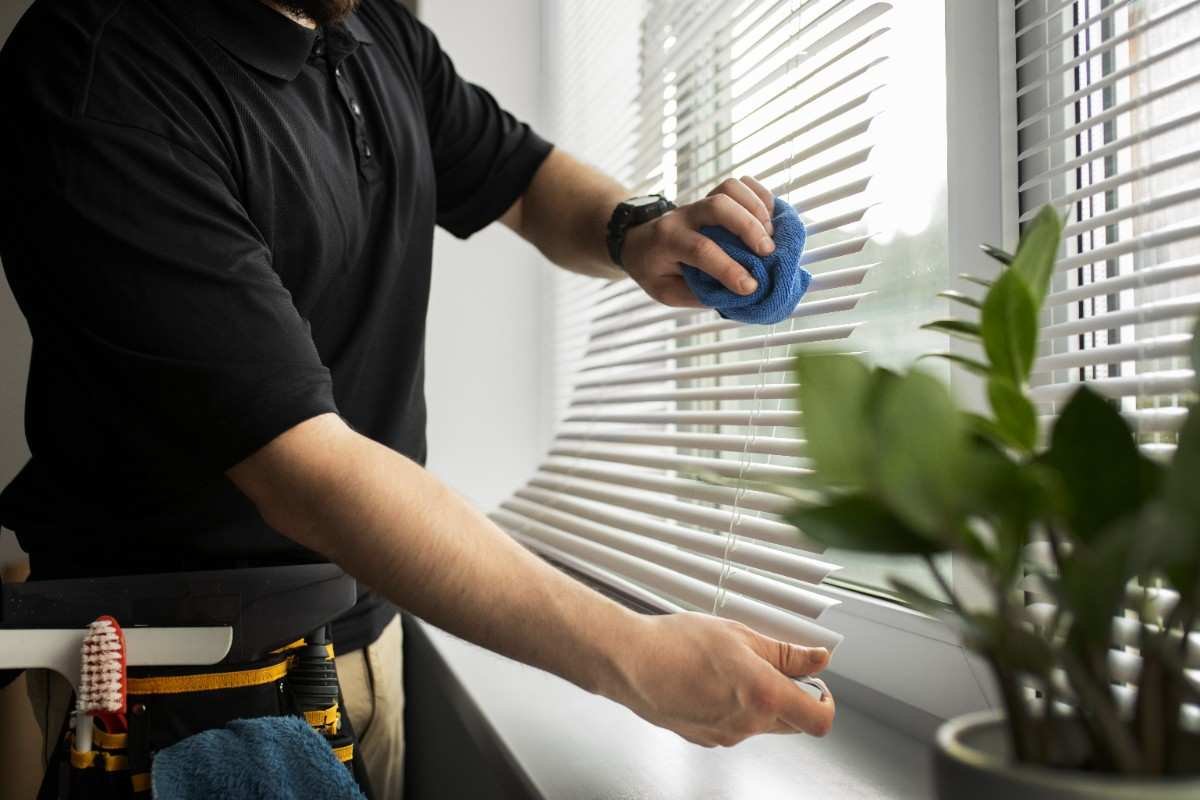
Cleaning blinds can feel like one of those never-ending household chores, but once you get the hang of it, it’s actually easier than it seems. I used to put off cleaning my blinds for weeks, until I finally realized how much dust and dirt were piling up!
After experimenting with different cleaning methods, I figured out the best techniques to get my blinds sparkling without too much effort. So, if you’re wondering how to clean blinds properly, whether they’re wood, vinyl, or fabric, this blog will walk you through it.
How Often Should I Clean My Blinds?
The frequency of cleaning your blinds depends on where you live and how much dust and dirt they attract. If you’re in a dust-prone area or have pets, cleaning them once a month is ideal. For less-dusty homes, every two to three months may be enough. Regular dusting prevents grime buildup, so it’s best to incorporate a quick cleaning routine into your monthly chores to keep them looking fresh.
How to Clean Blinds With The Best Dusting Method
Routine dusting is the easiest way to maintain clean blinds. It’s simple, effective, and works for all types of blinds. Here’s how you can do it right:
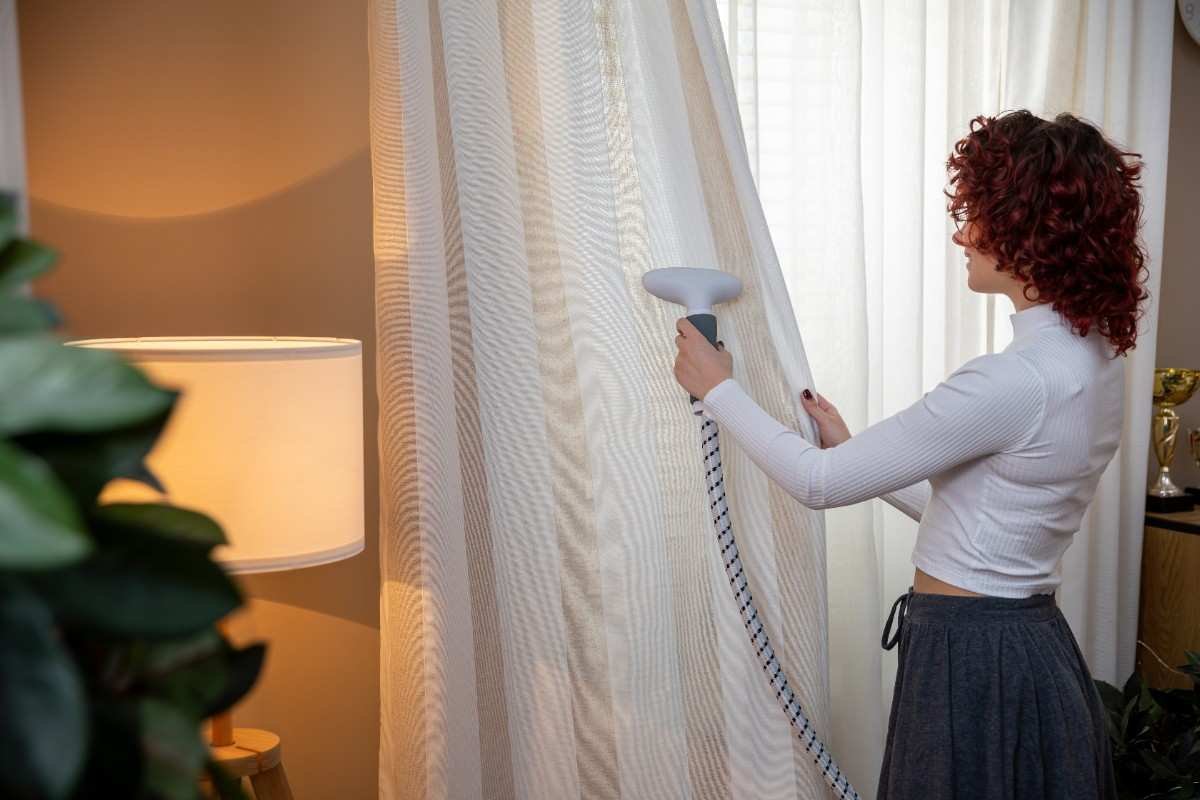
Step 1: Close the Blinds
To start, close the blinds so the slats are flat and overlapping. This position makes it easier to get to every slat without missing any spots.
Step 2: Dusting Tools
Use a microfiber cloth, a specialized blind duster, or a vacuum cleaner with a soft brush attachment. Microfiber works great because it traps dust, preventing it from just shifting around.
Step 3: Dust From Top to Bottom
Wipe or vacuum from the top down to prevent dust from falling on the already-cleaned areas. Make sure to clean both sides of each slat to catch all the dust.
Step 4: Flip the Slats and Repeat
Once you’ve dusted one side, flip the slats to the opposite side and repeat the process. This ensures both sides are clean and dust-free.
How to Deep Clean Blinds Using Material-Specific Methods
If dusting isn’t enough and your blinds need a deep clean, follow these material-specific methods:

Faux Wood, Vinyl, or Metal Blinds
For faux wood, vinyl, or metal blinds, there are two main ways to clean:
- In-Place Cleaning: Mix a 50/50 solution of warm water and white vinegar with a drop of dish soap. Dampen a cloth or a clean sock over your hand with the solution and wipe each slat. This method works well for regular maintenance.
- Bathtub Soak: For heavy grime, remove the blinds and soak them in a bathtub filled with warm water and mild dish soap for 30–60 minutes. Rinse thoroughly and allow them to air dry by hanging them outside or over a shower rod. Make sure they are completely dry before rehanging to avoid mold or rust.
Real Wood Blinds
Wood blinds require a gentler touch. Never soak them in water, as this can cause warping or cracking.
- Dry Dusting: Use a dry microfiber cloth to wipe each slat.
- Wood Cleaner: For a deeper clean, dampen the cloth with a wood-safe cleaner or lemon oil. Wipe each slat gently and dry immediately to prevent any moisture damage.
Fabric Blinds & Shades
Fabric blinds like Roman, cellular or roller shades, need a more delicate approach.
- Vacuuming: Use a low-suction vacuum with a brush attachment to lift the dust without damaging the fabric.
- Spot Cleaning: For stains, use a damp cloth with mild soap and blot rather than rub to prevent pilling the fabric.
- Blowing Out Debris: For cellular (honeycomb) shades, use a can of compressed air to blow out any dust or bugs trapped inside.
Pro Tips for Maintaining Clean Blinds
Follow these three professional cleaning tips for your blinds.
Avoid Harsh Chemicals
It’s tempting to use bleach or abrasive cleaners, but they can discolor your blinds or strip the finish, especially on wooden blinds. Stick to mild dish soap or a wood-safe cleaner for safe results.
Glass Cleaner Trick
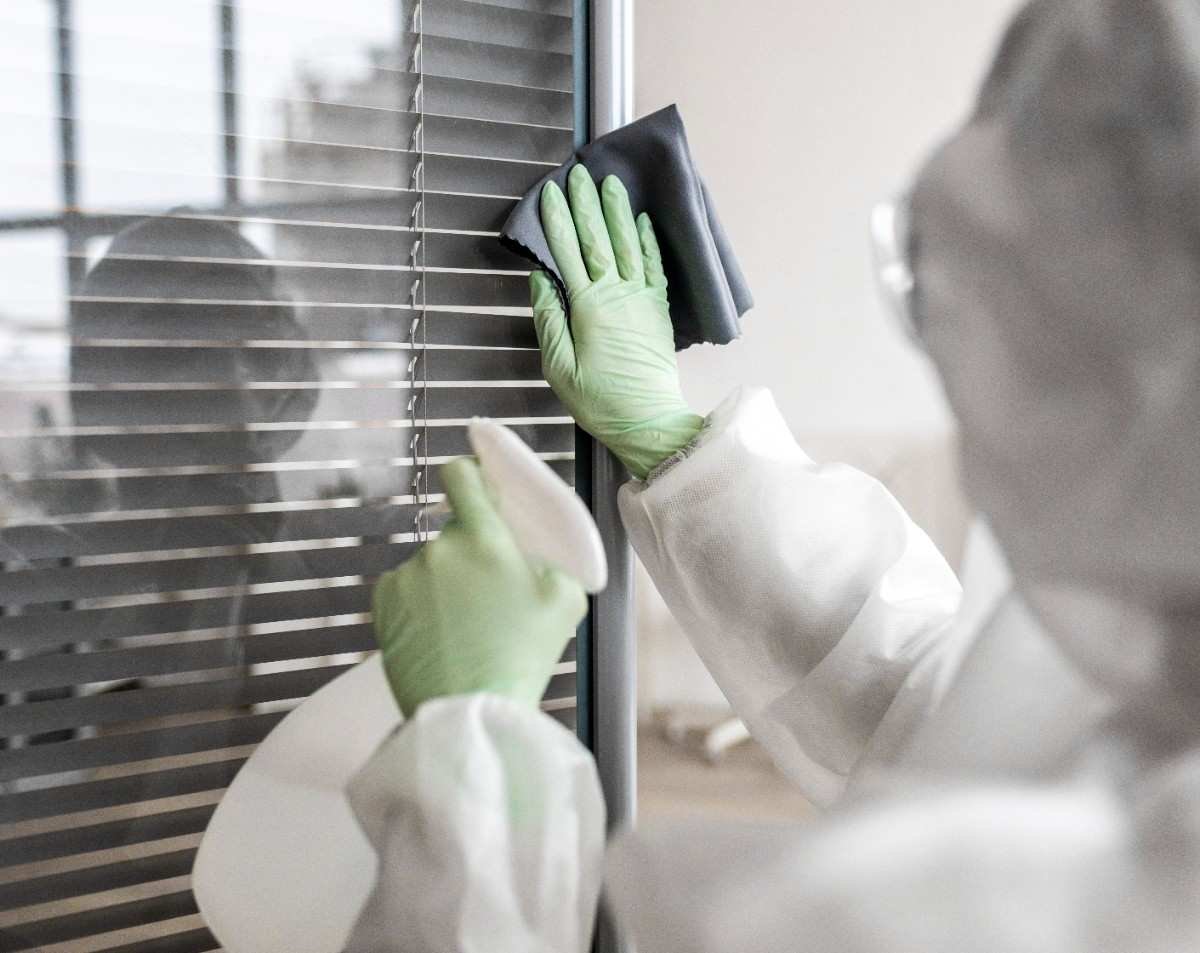
When cleaning your windows, spray the glass cleaner onto a cloth rather than the window to prevent overspray from damaging the finish of your blinds. This helps you clean without worrying about streaks on your blinds.
Ensure Proper Drying
Always ensure that your blinds are fully extended while drying to avoid mold growth. Whether you’ve soaked them or cleaned them with a damp cloth, hanging them properly ensures they dry completely.
How to Prevent Dust From Building Up
Dust is inevitable, but there are some strategies to minimize its buildup on your blinds. First, keep windows closed during high winds or dust storms. Using air purifiers in your home can also help reduce dust in the air in your house. Regularly vacuuming your floors and surfaces will also prevent dust from settling on your blinds making cleaning easier.
Frequently Asked Questions
Q1: Can I use harsh chemicals on my blinds?
It’s best to avoid harsh chemicals, especially on wood or fabric blinds, as they can damage the material or finish. Stick to mild cleaners like dish soap or wood-safe products.
Q2: How do I clean the top of my blinds?
Cleaning the top slats can be tricky, but a microfiber cloth wrapped around a broom handle or a duster can help you reach the high spots. Gently dust from the top down for best results.
Q3: How do I clean stubborn stains on fabric blinds?
For fabric blinds, use a damp cloth with mild soap and gently blot the stain. Be careful not to rub it, as this can cause the fabric to pill. If needed, spot clean using a fabric-specific cleaner.
Q4: Should I remove my blinds before cleaning them?
For vinyl or metal blinds, removing them can make the cleaning process easier, especially if you’re soaking them. For wood or fabric blinds, it’s best to clean them in place to avoid damage.
Sparkling Blinds in No Time!
Now that you know how to clean blinds properly, you’ll find that it’s not such a dreaded task after all. With the right tools and a bit of routine care, your blinds will stay looking fresh and dust-free. Whether you’re dusting, deep cleaning, or simply giving them a quick spot clean, these tips will help keep your blinds in tip-top shape. So, grab your microfiber cloth, get to work, and enjoy the sparkling windows.






Be First to Comment