
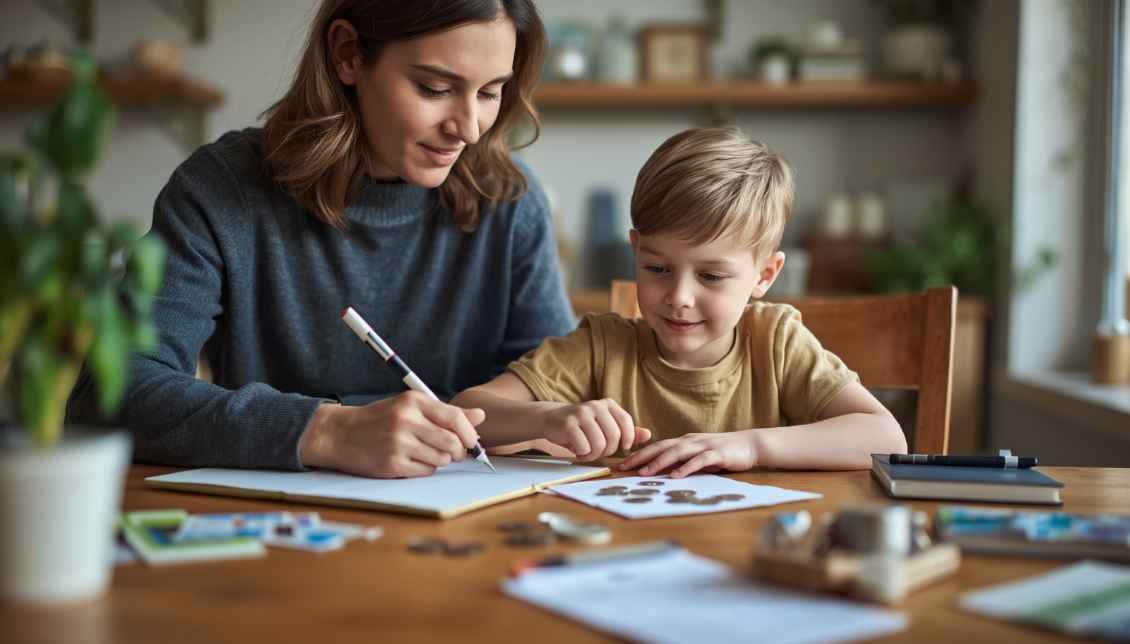
An excellent academic foundation is undeniably valuable for a child’s future. Scoring well on exams, mastering mathematics, and learning to write cohesive essays are all vital components of a traditional school curriculum. However, academic success alone does not fully prepare a young person for the complexities of adult life.
True independence requires a robust set of practical capabilities, often referred to as life skills. These include emotional intelligence, financial literacy, problem-solving abilities, and basic household competence. Honing these attributes happens largely outside school walls.
By intentionally integrating practical learning opportunities into your child’s daily routine, you can help them build the resilience and self-reliance necessary to navigate the real world successfully.
Cultivating Financial Literacy from an Early Age

Understanding how money works is one of the most critical, yet frequently overlooked, survival skills a child can learn. Leaving financial education until adulthood often leads to costly mistakes, such as accumulating avoidable debt or failing to save for emergencies.
The Value of Tag-Along Errands
You do not need to sit your child down for a formal lecture on economics to teach them about finance. Instead, involve them in your routine household transactions. When shopping at the grocery store, explain your budget out loud. Show them how to compare prices per ounce, discuss the difference between needs and wants, and demonstrate how utilizing coupons reduces the final total.
Managing a Personal Budget
Providing a small allowance tied to age-appropriate household chores gives children hands-on experience with money management. Encourage them to divide their earnings into three clear categories: spending, saving, and giving.
When they desire an expensive toy, resist the urge to buy it for them immediately. Instruct them to track their savings over several weeks. This practice teaches delayed gratification and helps them understand the true effort required to purchase material items.
Developing Emotional Regulation and Conflict Resolution

Interpersonal communication and emotional control are vital skills that influence every relationship your child will ever have, from schoolyard friendships to future professional collaborations.
Normalizing Difficult Emotions
Children experience a wide array of intense emotions, including frustration, jealousy, anger, and anxiety. Instead of telling a child to stop crying or punishing an emotional outburst, help them label what they are feeling.
Validating their emotions while gently correcting poor behavior teaches them that all feelings are acceptable, but all actions are not. Teaching them deep-breathing exercises or offering a quiet space to calm down helps them regulate their nervous systems independently.
Navigating Disagreements Peacefully
When conflicts arise between siblings or peers, avoid stepping in immediately to resolve the issue for them. Instead, act as a neutral mediator.
Encourage each child to express their perspective using statements that focus on how they feel rather than casting blame. Ask open-ended questions to guide them toward a mutual compromise. This process instills empathy and teaches them that resolution requires active listening and cooperation.
Embracing Independence in Daily Routines
Allowing children to complete tasks independently boosts their self-esteem and instills a sense of pride in their capabilities. Micro-managing a child’s schedule or doing everything for them can unintentionally foster learned helplessness.
As children become more involved in home routines, parents can also introduce simple conversations about responsible choices, such as saving energy, reducing waste, and using eco-friendly technologies for sustainable living to make everyday family habits more practical and future-focused.
Age-Appropriate Household Responsibilities
Even young toddlers can participate in maintaining the home. Assign daily tasks that match their developmental stage. A young child can learn to place dirty clothes in a hamper, feed a family pet, or wipe down a low table.
Older children can take responsibility for packing their own school lunches, washing dishes, or vacuuming their bedrooms. Contributing to the household teaches teamwork and instills the understanding that maintaining a living space requires shared effort.
Older children can also learn simple kitchen planning by helping choose healthy lunches, organizing ingredients, and following vegan meal prep ideas that teach responsibility, nutrition awareness, and basic food preparation skills.
Utilizing Quality Extracurricular Environments
Learning does not pause when the final school bell rings. The hours between the end of the school day and dinner time offer an ideal window for character development and social growth. Placing your child in a structured afternoon environment allows them to practice leadership, time management, and peer socialization outside the family dynamic.
For families seeking reliable, enrichment-focused supervision in northern Utah, enrolling in a reputable after school care in Sandy provides children with a safe space to complete homework, engage in cooperative games, and develop independence under proper guidance.
Teaching Critical Thinking and Problem-Solving
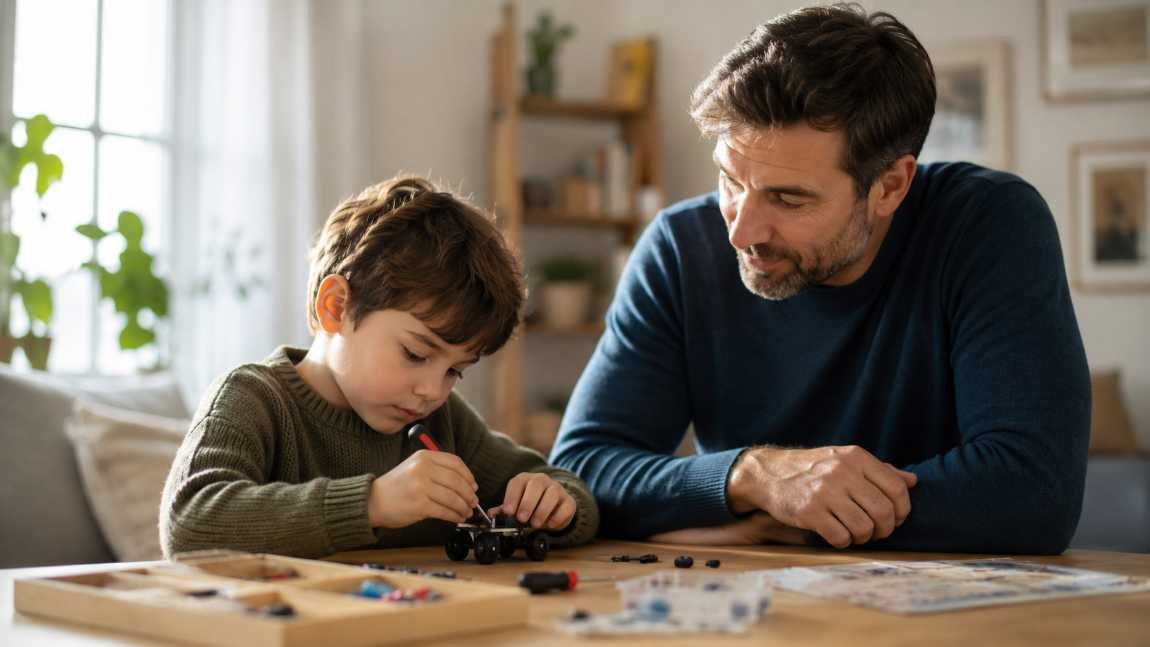
Resilient individuals are not people who never face obstacles; they are people who know how to solve problems when things go wrong.
Resisting the Urge to Rescue
When a child encounters a challenge, such as a difficult puzzle, a broken toy, or a forgotten homework assignment, a parent’s natural instinct is often to step in and fix the problem immediately. Doing so deprives the child of a vital learning moment. Next time your child faces a roadblock, ask guiding questions instead of offering the solution.
Encourage them to brainstorm three possible fixes and analyze the potential outcomes of each choice. Learning to troubleshoot minor daily dilemmas builds intellectual confidence and trains the brain to approach unexpected obstacles with curiosity rather than panic. Over time, this foundational skill transforms children into capable, forward-thinking adults who are ready for whatever challenges the future holds.






Be First to Comment