
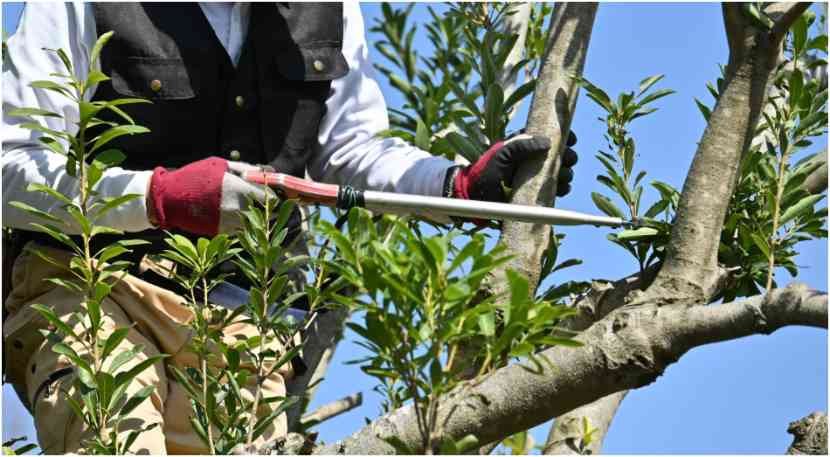
Trees add shade, beauty, and value to a property, making a yard feel more peaceful and complete. However, they can become dangerous if they are damaged, diseased, or too close to structures. Many warning signs are easy to miss until the tree poses a serious safety risk. A compromised tree can fall during strong winds, heavy rain, or even on a calm day if its structure has weakened.
Falling branches can damage roofs, cars, and power lines, putting people and pets at risk. For homeowners, recognizing the signs of a hazardous tree is crucial because storms, dry weather, and soil conditions can all affect its health. Understanding what to look for can help you take action before a tree causes damage.
Large Dead Branches Are a Serious Warning Sign
Dead branches are a clear sign that a tree may be unsafe. They often look dry, brittle, and leafless, or may be a different color from the rest of the tree. Large dead limbs are particularly hazardous because they can fall unexpectedly, posing a significant risk if they are over a driveway, patio, or play area.
Even smaller dead branches can indicate a deeper health problem within the tree. If you notice several dead limbs, it’s best to have the tree inspected by a professional to see if it needs pruning, treatment, or removal.
Cracks or Splits in the Trunk Can Mean Weak Structure
The trunk is a tree’s main support system. If it begins to crack, split, or separate, the tree may become structurally unsound. Deep cracks in the trunk can make the tree more likely to break during wind or storms. Some cracks are visible as long vertical openings in the bark, while others may appear where two large stems meet.
A split between major limbs indicates a high-stress area that could fail later. A tree that appears to be pulling apart should be inspected as soon as possible, as structural damage can worsen over time. Early attention can help prevent sudden failure and property damage.
Leaning Trees May Need Immediate Attention
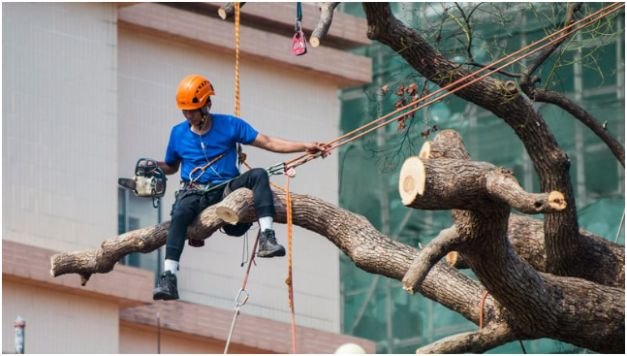
Not all leaning trees are hazardous; some naturally grow at an angle and remain stable. However, a tree that suddenly begins leaning, or leans more than it did before, could be a serious problem. A new lean might indicate damaged roots, shifted soil, or a loss of underground support.
Other warning signs include raised soil, cracked ground, or exposed roots near the base, suggesting the tree is uprooting. A leaning tree near a house, garage, fence, or walkway warrants serious attention. If the lean seems sudden or severe, it’s time to contact a professional for tree removal in Salt Lake City before it becomes a safety risk.
Root Damage Can Make a Tree Unstable
Roots anchor a tree and help it absorb water and nutrients. When roots are damaged, a tree can become unstable even if it looks healthy above ground. Construction, digging, soil compaction, poor drainage, disease, and erosion can all cause root problems.
Signs of root damage include mushrooms growing near the base, lifted soil, thinning leaves, dying branches, or a tree that feels loose. Cracked, decaying, or cut exposed roots are also warning signs. A tree with weak roots may not withstand strong weather, so root health should always be part of a tree safety inspection.
Fungus, Decay, and Soft Wood Should Not Be Ignored
Fungus growing on or near a tree can signal decay. Mushrooms at the base, shelf-like growths on the trunk, or soft spots in the bark may indicate internal rot. Even if the exterior appears solid, decay can weaken the tree’s inner structure.
Look for hollow sections, missing bark, deep cavities, or wood that feels soft and crumbly, as these signs suggest the tree may no longer support its own weight. Decay often spreads slowly, but it becomes dangerous when it affects the trunk, roots, or major limbs. A tree with visible rot should be inspected promptly to prevent further damage.
Falling Bark and Open Wounds Can Show Stress
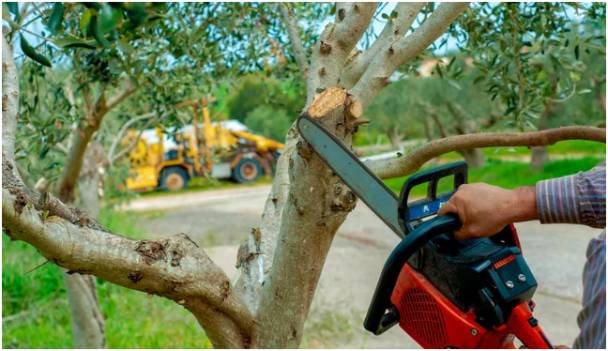
Bark protects a tree from pests, disease, and weather. When large pieces of bark fall off, it can be a sign that the tree is stressed or dying. Open wounds can also invite insects and decay. While some bark loss is natural depending on the species, large bare patches, deep wounds, or repeated peeling are cause for concern.
If the exposed wood appears dry, dark, cracked, or soft, the tree may have a serious health problem and could weaken over time. A careful inspection will help determine if the tree can recover or needs to be removed.
Branches Hanging Over Structures Can Become Risky
Even healthy trees can pose a risk if their branches grow too close to a house, garage, or power line. Overhanging limbs can damage surfaces, drop debris, and break during storms, while heavy branches can stress the tree’s structure.
Regular trimming helps mitigate these dangers and improves the tree’s shape. However, if a tree is already weak, diseased, struggling with fungus gnats, or leaning toward a structure, trimming might not be sufficient, and removal could be the safer choice. Trees near structures require consistent monitoring, as a small problem can become a costly issue if a large limb falls.
When to Call for a Professional Tree Inspection
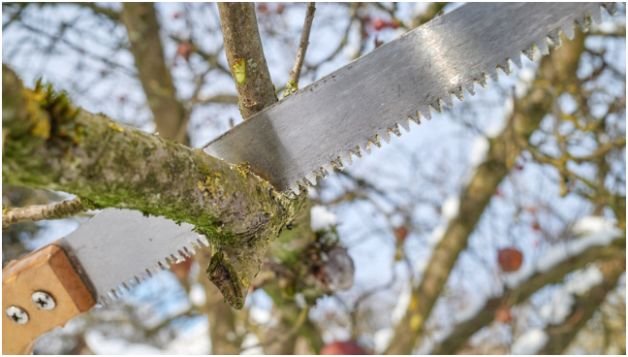
While some tree problems are easy to spot, others can be hidden within the trunk, roots, or upper canopy. A professional arborist can identify risks that aren’t obvious from the ground, which is particularly important for large, old, or storm-damaged trees, as well as those near buildings or high-traffic areas.
An expert will assess the tree’s structural integrity, root stability, and any signs of disease or decay to determine its overall safety. They can then recommend the best course of action, whether it’s pruning, treatment, cabling, or removal using eco-friendly technology and process. Guessing about a tree’s stability is risky; a professional inspection provides clear answers to help protect your property.
Conclusion
A hazardous tree often displays warning signs before it falls. Keep an eye out for dead branches, trunk cracks, sudden leaning, root damage, decay, falling bark, and overhanging limbs, as these should never be ignored.
These issues are particularly concerning when the tree is near homes, sidewalks, driveways, or power lines. Regular tree care and early inspections can help you address problems before they become emergencies. If a tree appears weak, damaged, or unstable, acting quickly can protect your property and ensure safety.






Be First to Comment